
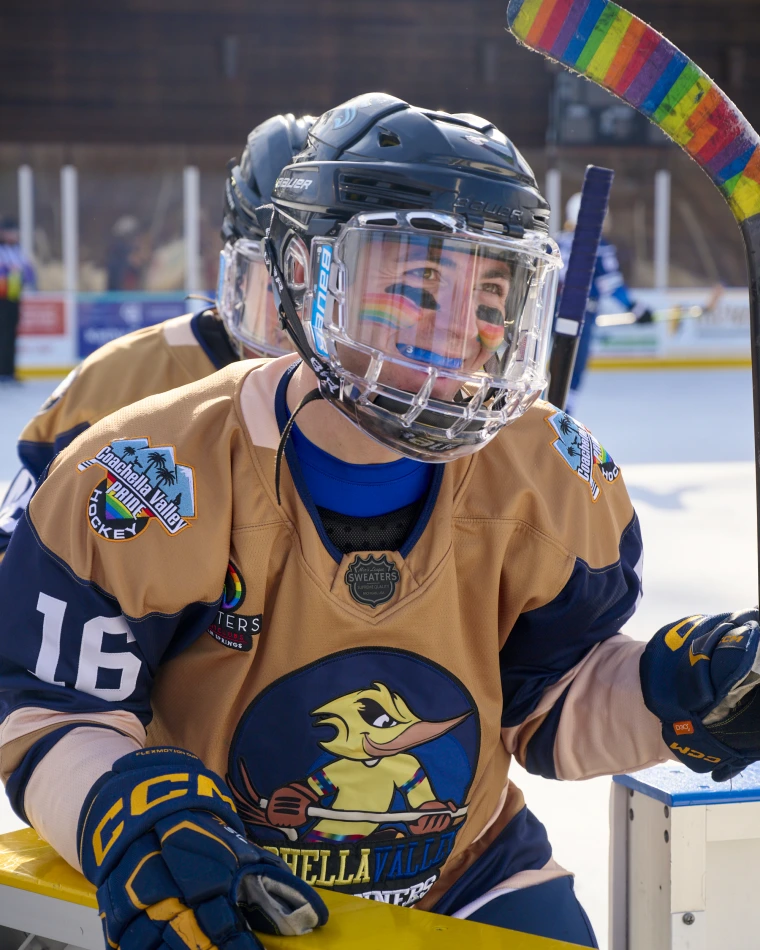
Joey Gale, vice president of Seattle Pride Hockey Association, says the league has grown to more than 500 active players.
A hit television series has sparked an unexpected wave of enthusiasm for ice hockey within the LGBTQ community across North America. Over the past few months, major queer hockey leagues in cities such as Chicago, Seattle, and New York have reported a significant spike in participation interest. For instance, Chicago Pride Hockey received nearly 100 inquiries following the show's broadcast, prompting the creation of a specialized training program for beginners.
The drama, "Heated Rivalry," has brought the nuanced emotional experiences of closeted professional athletes into the mainstream spotlight. However, this cultural phenomenon arrives during a complex period for the sport's environment. Currently, the premier professional hockey league lacks any active players who are publicly out. Furthermore, some traditional teams have ceased hosting inclusive theme nights due to social media backlash. Simultaneously, the sport's national governing body introduced a regulation prohibiting transgender athletes from participating on sex-segregated teams that align with their gender identity.
Despite facing institutional barriers and cultural resistance, community members continue to demonstrate remarkable resilience. Joey Gale, who abandoned hockey in his youth due to an unwelcoming environment, co-founded the Seattle Pride Hockey Association, which now boasts over 500 active players. August Fawcett, a transgender player who had to halt his athletic career due to collegiate rules, leveraged the show's momentum to successfully recruit dozens of individuals interested in forming a queer team.
Veteran advocates acknowledge the positive visibility generated by the television series but emphasize that genuine progress stems from decades of persistent organizational effort. Bob Tranchida, a seasoned community leader, pointed out that official government policies and sports regulations continue to create obstacles, such as complicated insurance requirements for inclusive tournaments. The community continues to urge top leagues for direct recognition and the removal of bans on pride symbols. For many new participants, stepping onto the ice is not merely about pursuing athletic glory, but about finding a welcoming space to connect with peers and embrace their identities.
North American Editorial Office: Robin