
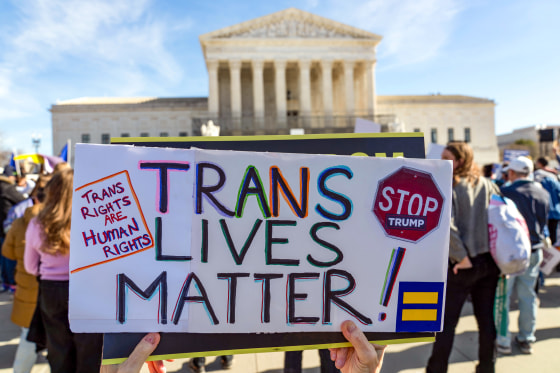
Protesters gather outside the Supreme Court on Jan. 13 as it hears arguments over state laws barring transgender girls and women from playing on schools' girls' and women's athletic teams.
The American Society of Plastic Surgeons has issued a position statement recommending that gender-affirming surgery for individuals experiencing gender dysphoria be delayed until age 19. The organization cited insufficient high-quality evidence demonstrating that the benefits of chest, genital, and facial procedures for minors outweigh the associated risks. This assessment drew on two prominent reports: a comprehensive review conducted by a senior physician in England and a report from the Department of Health and Human Services.
The statement clarifies that it is not a clinical practice guideline and does not question the validity of any patient's gender dysphoria or personal experience. Instead, the society emphasizes that ethical care for children and adolescents requires balancing compassion with scientific evidence, developmental factors, and long-term well-being considerations.
The association noted that the lack of robust evidence increases ethical, clinical, and legal risks in surgical decision-making for minors. It also acknowledged that varying regulatory and legal frameworks contribute to the complexity of such decisions.
Responses from other medical organizations varied. Some groups partially agreed with the evidence concerns but argued against a blanket age restriction, advocating for individualized assessments involving multidisciplinary teams and adolescent development experts. An international body maintained its existing guidelines, stressing the importance of gender-affirming care for transgender well-being and opposing uniform age thresholds.
In recent years, certain healthcare institutions have suspended gender-affirming treatments for minors, including puberty blockers and hormone therapy, citing external pressures. These facilities expressed that such pauses were necessary to safeguard operations and staff, while reaffirming that gender-affirming care is evidence-based, safe, and beneficial for patients.
A representative involved in drafting the statement described the process as thorough and independent, free from external influence, and aimed at fostering responsible dialogue within the medical community.
The position highlights ongoing debates in the medical field regarding gender-affirming interventions for minors, particularly the need to weigh limited evidence against ethical obligations and patient outcomes.
North American Editorial Office: Robin