
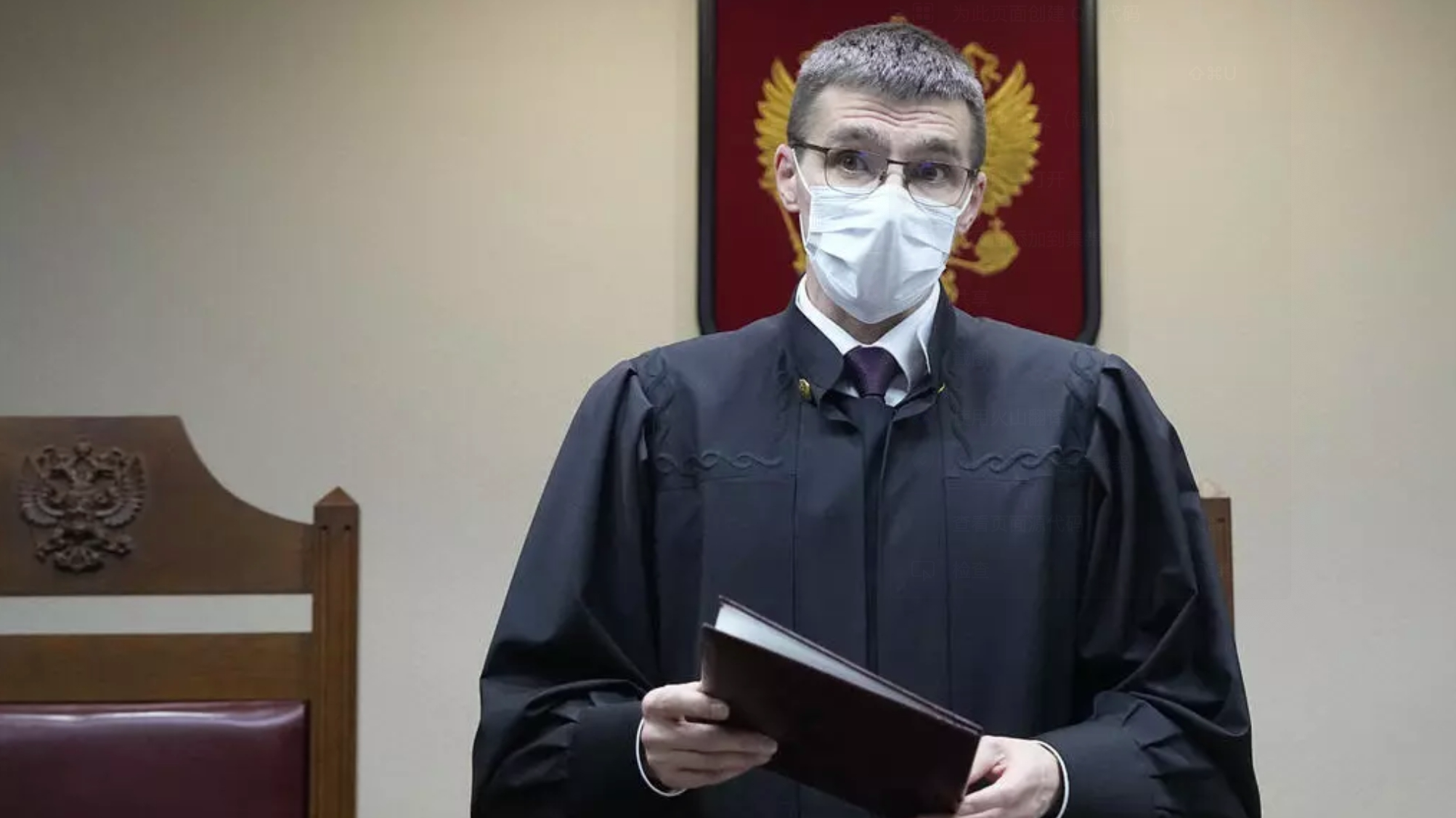
The Supreme Court of the Russian Federation effectively declared the LGBT movement illegal on Thursday, marking the harshest step taken by advocates of this group in this increasingly conservative country. Image source: Associated Press image
The Supreme Court of the Russian Federation recently upheld a request from the Ministry of Justice, ruling that the “international LGBT movement” constitutes an extremist activity and incites social and religious discord in violation of the country’s anti-extremism legislation. Under the law, entities classified as extremist must be immediately dissolved, and their leaders may face up to ten years’ imprisonment.
Following the ruling, police in Moscow conducted raids on several LGBTQ-related establishments, including a nightclub, a men’s sauna, and a bar frequently hosting LGBTQ events, citing drug enforcement operations. Witnesses reported that officers checked patrons’ identification and took photographs. Management at some venues managed to warn customers before police arrived. Several establishments subsequently announced closures; one well-known LGBTQ club in St. Petersburg stated on social media that the owner would no longer permit operations due to the legal change.
The United Nations High Commissioner for Human Rights expressed deep regret over the decision, warning that it could lead to bans on groups, associations, or individuals perceived as linked to the LGBT movement in Russia, exposing them to criminal charges and imprisonment. The High Commissioner stressed that labeling human rights defenders and those advocating for LGBT rights as “extremists” carries severe social and criminal consequences, and called on authorities to repeal laws that unduly restrict human rights work or discriminate based on sexual orientation and gender identity.
The High Commissioner further urged reform of regulations prohibiting gender-affirming care and laws banning “LGBT propaganda,” which have rendered public discussion of LGBT issues unlawful and subject to heavy fines. Concern was also raised over the broad application of the “extremist” label to target perceived opponents, including human rights defenders, journalists, and other citizens.
Activists noted that the targeted “international LGBT movement” is not a formally registered entity, and its vague, expansive definition grants authorities wide discretion to act against any person or group deemed associated. Since the ruling, multiple LGBTQ venues have closed either voluntarily or under pressure. Many community members report considering leaving the country to avoid becoming enforcement targets.
European Editorial Office: John