
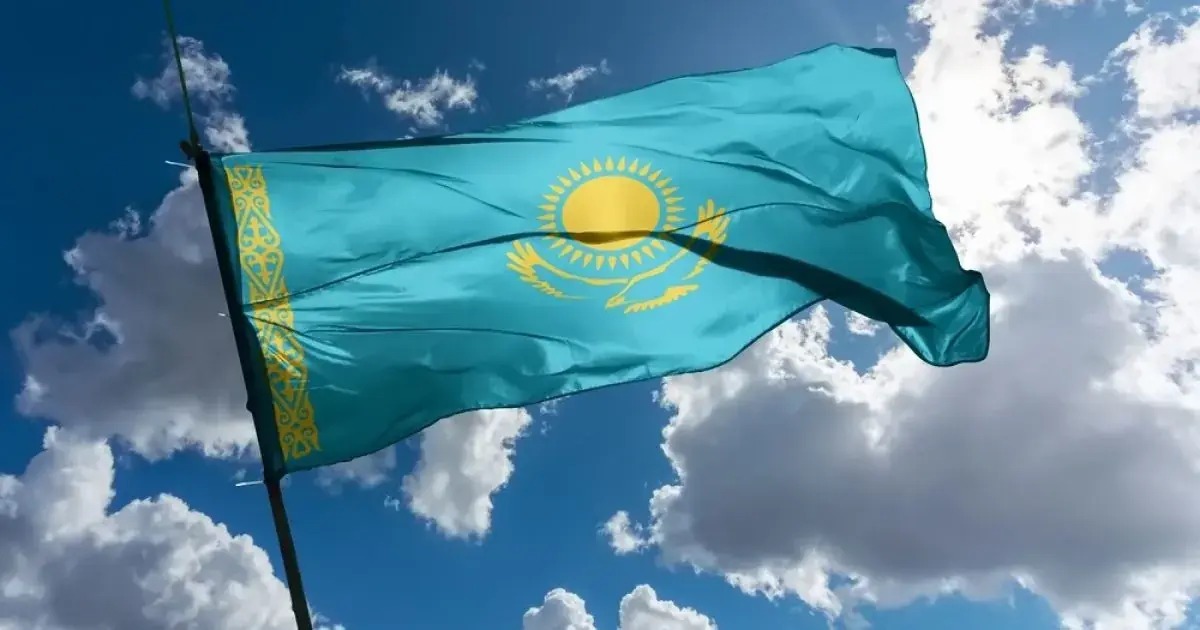
Flag of Kazakhstan
A parliamentary working group in Kazakhstan has endorsed draft amendments that would prohibit the dissemination of content defined as “propaganda of non-traditional sexual relations” and “pedophilia” through media outlets and the internet. Penalties for violations include administrative fines or detention for up to 10 days. The amendments have cleared the preliminary stage and are expected to pass a full parliamentary vote, given the prevailing alignment of most lawmakers with official positions.
The proposed changes require presidential assent to become law. Authorities justify the measure as necessary to uphold traditional values and shield society—particularly minors—from perceived harmful influences. During deliberations, one legislator described such propaganda as posing a direct threat to both society and the nation.
Human rights observers have voiced strong criticism. An independent Kazakhstani human rights consultant told media that the amendments would institutionalize discrimination based on sexual orientation and gender identity, amounting to overt discriminatory practice. Critics argue that such legislation could further restrict freedom of expression and fundamental rights for sexual minorities.
Kazakhstan decriminalized same-sex sexual conduct in the 1990s and maintains a secular state framework, even though the majority of the population adheres to Islam and societal attitudes remain predominantly conservative. While no comprehensive bans on LGBTQ gatherings or events currently exist, discussions around restrictive measures on related topics have grown more frequent in recent years.
The wording and scope of the proposed amendments closely resemble legislation enacted in several other post-Soviet states in recent years, which have similarly restricted public depictions of LGBTQ topics under the banner of protecting minors and preserving traditional values. Analysts view this pattern as indicative of a broader conservative shift on social issues in parts of the region.
Should the bill be adopted and enforced, it would significantly impact media content regulation, online platform oversight, and protections for sexual minority communities. Human rights groups urge authorities to reconsider the draft to prevent deepening social divisions and discrimination.
Asian Editorial Department: Lu Junxiu