
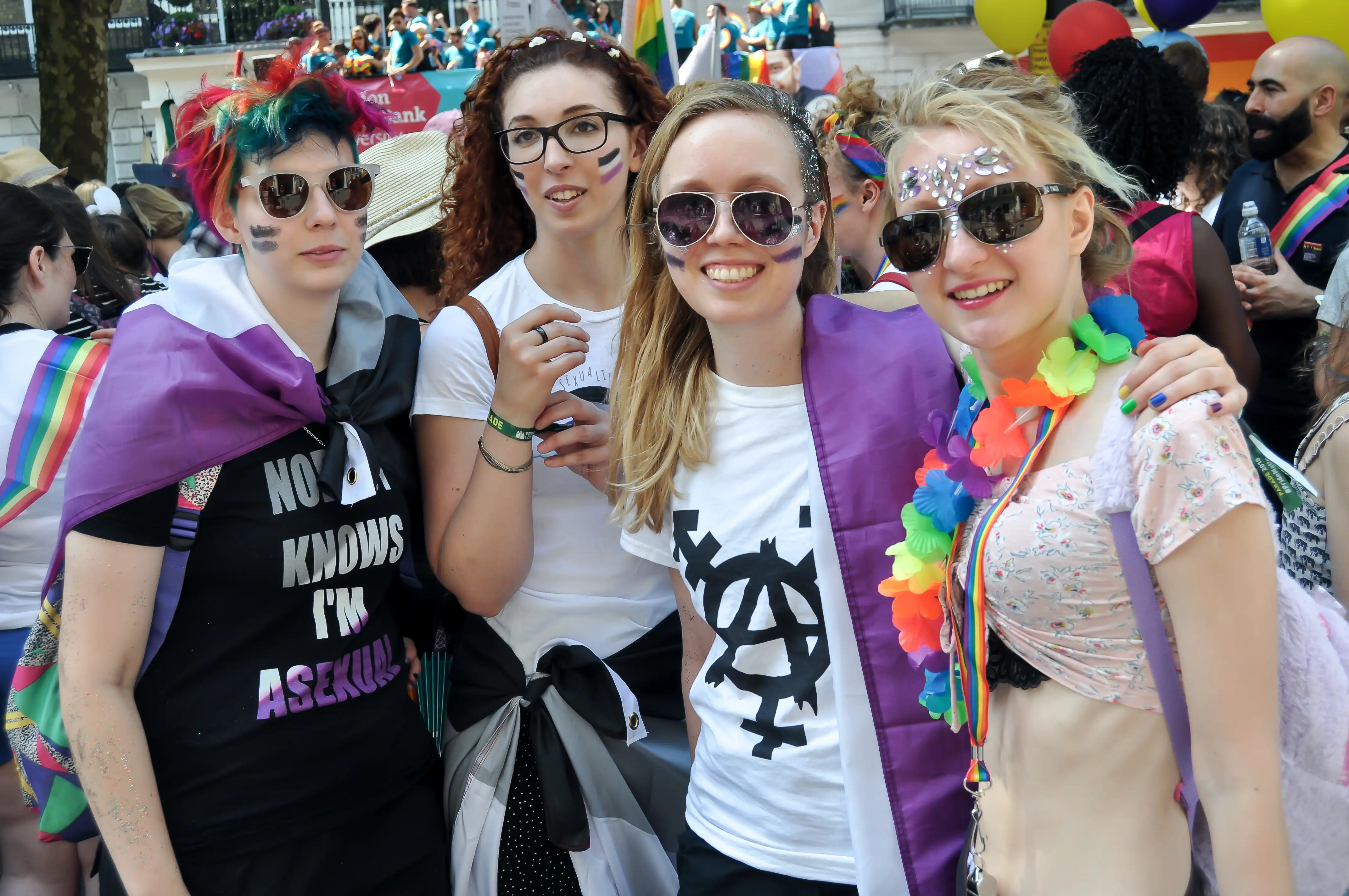
This image is for illustrative purposes only and is not directly related to this story. Image source: Wikimedia Commons
Pride festivals across Britain are facing a two-front backlash, according to an in-depth report in the British media: local councils are withdrawing support and corporate sponsors are retreating, while divisions over commercialisation and trans issues are deepening within the LGBT community itself. The question now being asked: what future do Pride events have?
The political headwinds are the most direct. Reform UK took control of 14 councils in England's local elections this May; the new administration in Durham removed the rainbow flag from council headquarters and axed £2,500 in Pride funding; the Reform council leader in St Helens instructed officials to cease all engagement with Pride and removed celebratory displays from libraries; the new Conservative council in Enfield, north London, said it would fly only certain flags — the rainbow flag not among them. Reform leader Nigel Farage said he is "fine" with Pride events going ahead but does not want local authorities to promote them. Public bodies are equally cautious: Merseyside Police skipped last year's Liverpool Pride parade; after a High Court ruling that officers in the north-east should not have joined a Pride event, firefighters and police stayed away again this summer; West Midlands Ambulance Service withdrew from Birmingham Pride. Businesses are pulling back too: Guardian analysis found mentions of Pride on social media by Britain's 10 biggest listed companies fell from 52 in 2023 to just four last year — a 92% drop. An Ipsos survey found the share of British adults who want companies to promote LGBT rights dipped from 52% in 2021 to 44%. The organiser of Newcastle Pride said some firms want to keep supporting but "don't want their logo attached" for fear of online backlash.
Divisions within the community are just as visible. On one side, criticism of commercialisation: the company behind Manchester Pride entered voluntary liquidation last October owing suppliers and performers £1.3 million, including about £145,755 to Nelly Furtado's touring company. Local businesses and charities have since formed a not-for-profit, Manchester Village Pride, pivoting to a community-rooted, low-cost model. London and Brighton Prides have faced criticism for feeling overly corporate and overcrowded. On the other side, trans issues: some gay and lesbian people say they feel sidelined by Pride's focus on trans rights, while some trans people say they no longer feel safe attending. Sparkle, the UK's biggest transgender celebration, still takes place each late June in Manchester's Gay Village.
For background: Britain's first official Pride march was held in London in 1972; homosexual acts between men were only partially decriminalised in England and Wales in 1967. Security is a new consideration: July's car-ramming attack at Berlin Pride killed one person and injured 29, and organisers across Britain say they will review safety plans. Yet young people still back Pride: a 2024 YouGov survey found 90% of LGBT Britons aged 16–24 say Pride month is "very" or "fairly" important. After losing council funding, Durham Pride raised around £25,000 from individual donors and trade unions — its "biggest" edition ever.
Analysis
Pride's retrenchment is both a product of a shifting political climate and a correction after years of supersized growth. Council funding cuts, corporate retreat and police absence form the external chill; commercialisation rows and the trans debate fracture internal consensus. But Durham and Manchester suggest small, community-rooted events are filling the gap — Pride's future may lie not in getting bigger, but in getting closer to the community.
European Editorial Office: Sophie Martin
Sources: Reuters, NME, news-usa.today, British media, The Guardian