
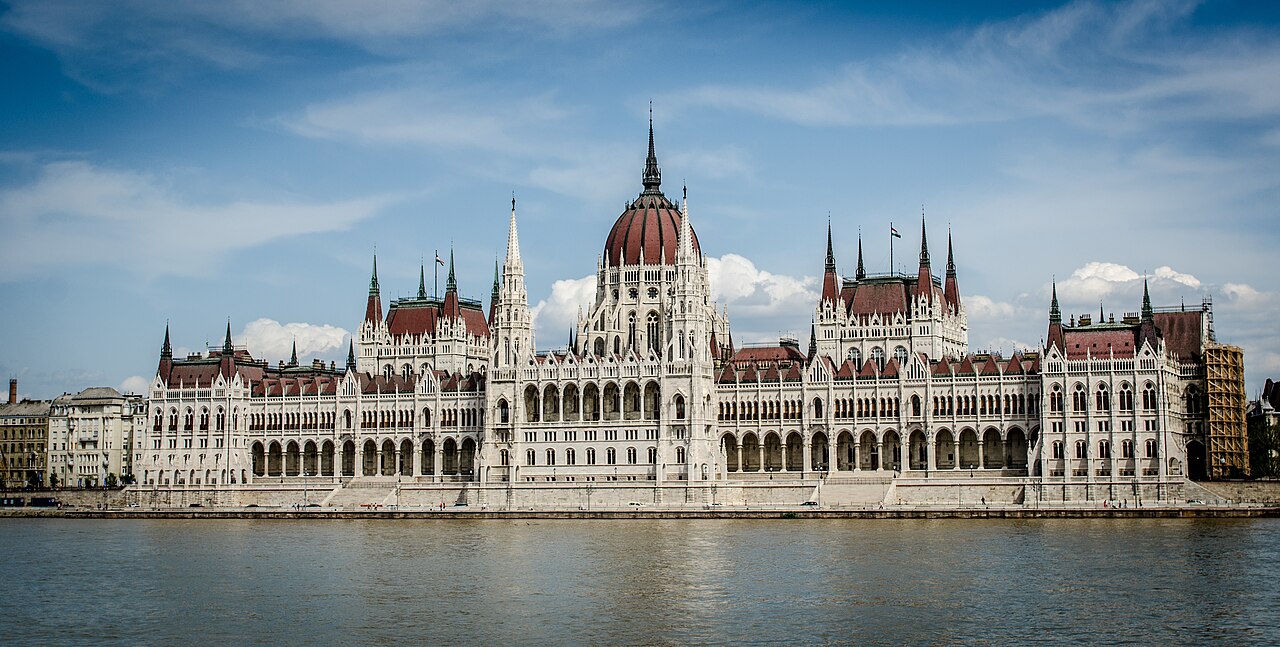
This image is for illustrative purposes only and is not directly related to this story. Image source: Wikimedia Commons
Hungary's parliament voted 139–51 on October 13 to amend the 2021 "child protection" law, removing restrictions on content related to homosexuality and transgenderism. The move is seen as a significant policy adjustment by the new government that took power after Viktor Orbán's ouster. According to the official voting record published by parliament, the ruling Tisza party pushed the vote through with its two-thirds majority, while Fidesz and its sister party, the Christian Democrats, voted against.
Passed in 2021 by the Fidesz majority with child protection and fighting paedophilia as its stated policy basis, the law restricted LGBTQ-related content for minors, affecting education, media and public events. On April 21, the European Court of Justice ruled the law violated "the very identity" of the European Union, piling pressure on Budapest. Under the amendment's text, the restrictions are replaced with general language protecting under-18s from material that could "seriously impair the child's physical, intellectual, emotional or moral development," covering pornography, sexual exploitation and grooming.
"The fact that these restrictions are being removed is definitely an important and positive step forward," Tamás Dombos of the Háttér Society told AFP — while listing what remains undone: full recognition of same-sex marriage, adoption rights for same-sex couples, and restoring transgender people's right to change their names in official documents. "We are still knocking on a closed door," he said, "but at least they are listening on the other side." The Magyar government has presented the amendment as a measure to strengthen child protection "regardless of sexual orientation," without describing it as an equality reform. During the campaign, Magyar also rarely spoke publicly about gay and transgender issues so as not to alienate right-wing voters. The Christian Democrats said in a statement on their website: "There is no place for the promotion of LGBTQ content in schools or the media."
For background: last June, Budapest Pride went ahead despite an official ban, drawing more than 200,000 people according to organizers, with police standing aside; prosecutors later dropped charges against Mayor Gergely Karácsony, and this year's march took place without restrictions. In 2024, a pardon scandal involving a children's home came to light, forcing the resignation of then-President Katalin Novák.
Analysis
The amendment points in at least two directions. First, it answers the European Court of Justice's April 21 ruling, which found the 2021 law in breach of the EU's "very identity." Second, it creates conditions for restoring EU funds: Budapest has publicly argued that scrapping the provisions clears the main legal obstacle to releasing the money — and on the very day of the vote, the EU Council ended its conditionality procedure against Hungary, unlocking €4.2 billion and restoring access to Erasmus+ and Horizon Europe, a move Commission President Ursula von der Leyen hailed on social media as a "new chapter" in EU-Hungary relations. For Magyar's government, this is a landmark de-Orbánization law; for Hungary's LGBTQ community, it is only a first step on a long road.
European Editorial Office: Lucas Bakker
Sources: Hungarian Parliament, EU Council, European Court of Justice, AFP and public reporting