
Image source: Wikimedia Commons
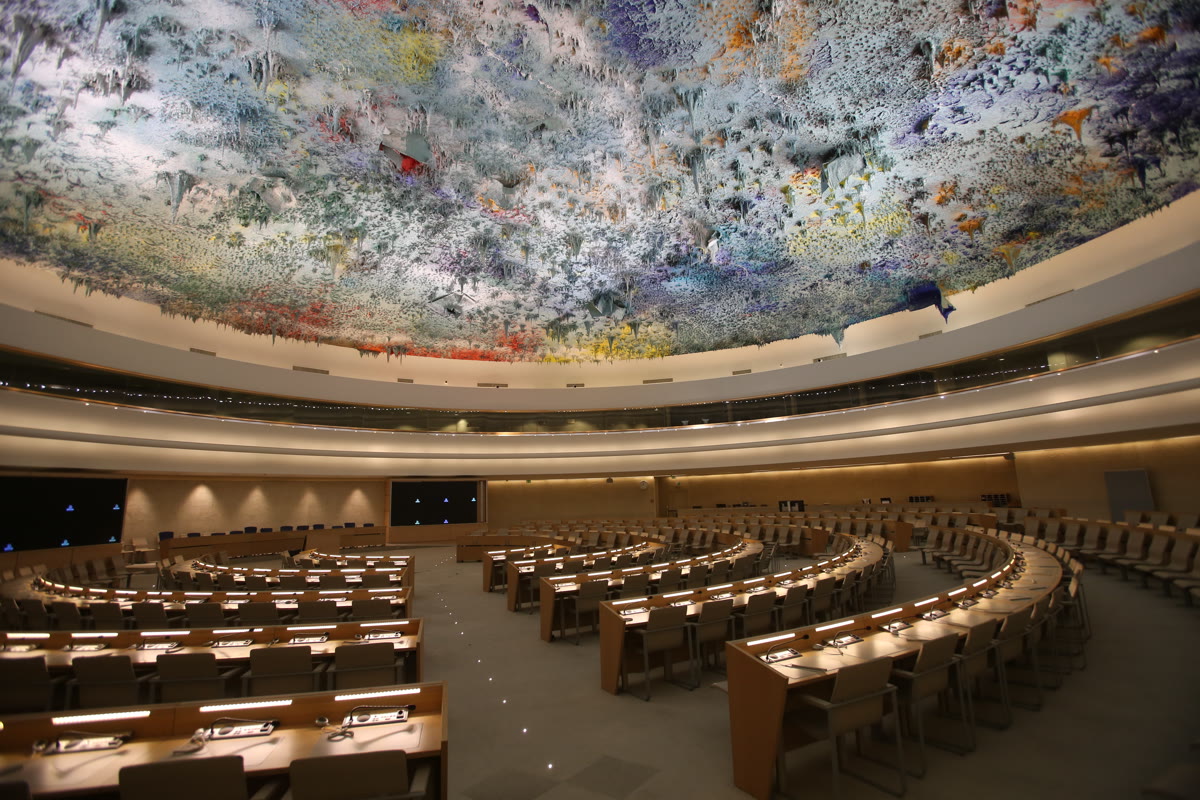
On October 7, 2026, during the 63rd session of the United Nations Human Rights Council in Geneva, France spearheaded a historic diplomatic initiative by presenting a joint declaration calling for the universal decriminalization of consensual same-sex relations. Delivered on behalf of 52 endorsing member states, the statement marks the first time that the 47-member Human Rights Council has addressed the criminalization of homosexuality as a primary and direct agenda item, securing support from a majority of the Council's members.
Rooted in the Universal Declaration of Human Rights and core international conventions, the joint statement emphasized that human rights belong to everyone and that no one should be arrested, punished, or imprisoned for consensual adult relationships. The text warned that retaining criminal statutes exposes individuals to arbitrary detention, corporal punishment, and even the death penalty in certain jurisdictions, while commending the two-thirds of UN member states that have successfully repealed discriminatory penal provisions through national legal reforms and political dialogue.
Jean-Marc Berthon, the French Ambassador for the Rights of LGBTI+ Persons, praised the momentum, stating that the declaration establishes universal decriminalization as an urgent human rights priority while demonstrating the collective strength of affirming nations. Alice Nkom, honorary president of Comité IDAHO France and an iconic Cameroonian human rights attorney, commended France's leadership alongside more than 100 global civil society groups, urging signatory nations to swiftly translate the declaration into a binding UN resolution.
The declaration garnered broad intercontinental backing, supported by diverse nations including South Africa, Cambodia, India, Cabo Verde, Chile, Mexico, Japan, and numerous European states. The joint statement stressed that achieving global decriminalization does not impose cultural uniformity, but rather ensures that criminal codes are never used to legitimize state-sponsored discrimination or violence, creating a safer international framework for sexual and gender minorities.
European Editorial Office: Lucas Bakker