
Jicco social media app
Chinese The domestic niche social media sector has experienced a substantial shift toward regulatory compliance. Blued, a widely recognized gay social platform, recently ceased displaying users' "1/0 role" attributes, triggering intense scrutiny within the industry. Following this move, another major player in the market, Fanka, implemented identical adjustments on May 28, systematically removing role attributes and personal signatures from user profiles. In response to these changes, both Blued and Fanka issued official statements clarifying that the modifications were executed in strict alignment with compliance guidelines. Both entities emphasized that their core business operations remain fully functional and pledged to optimize user interface designs and overall experience moving forward.
The sudden policy shift has initiated a significant chain reaction across the user community. Deprived of direct access to role tags, many users have jokingly commented that dating on the platforms has now become akin to "opening a blind box". Others humorously noted that users who previously specified "no small talk" in their bios might now find themselves "unemployed". Beneath these lighthearted remarks, however, lies a deeper reliance on traditional matchmaking paradigms and a sense of helplessness regarding restricted functionalities, with widespread concerns mounting online over the future trajectory of these platforms.
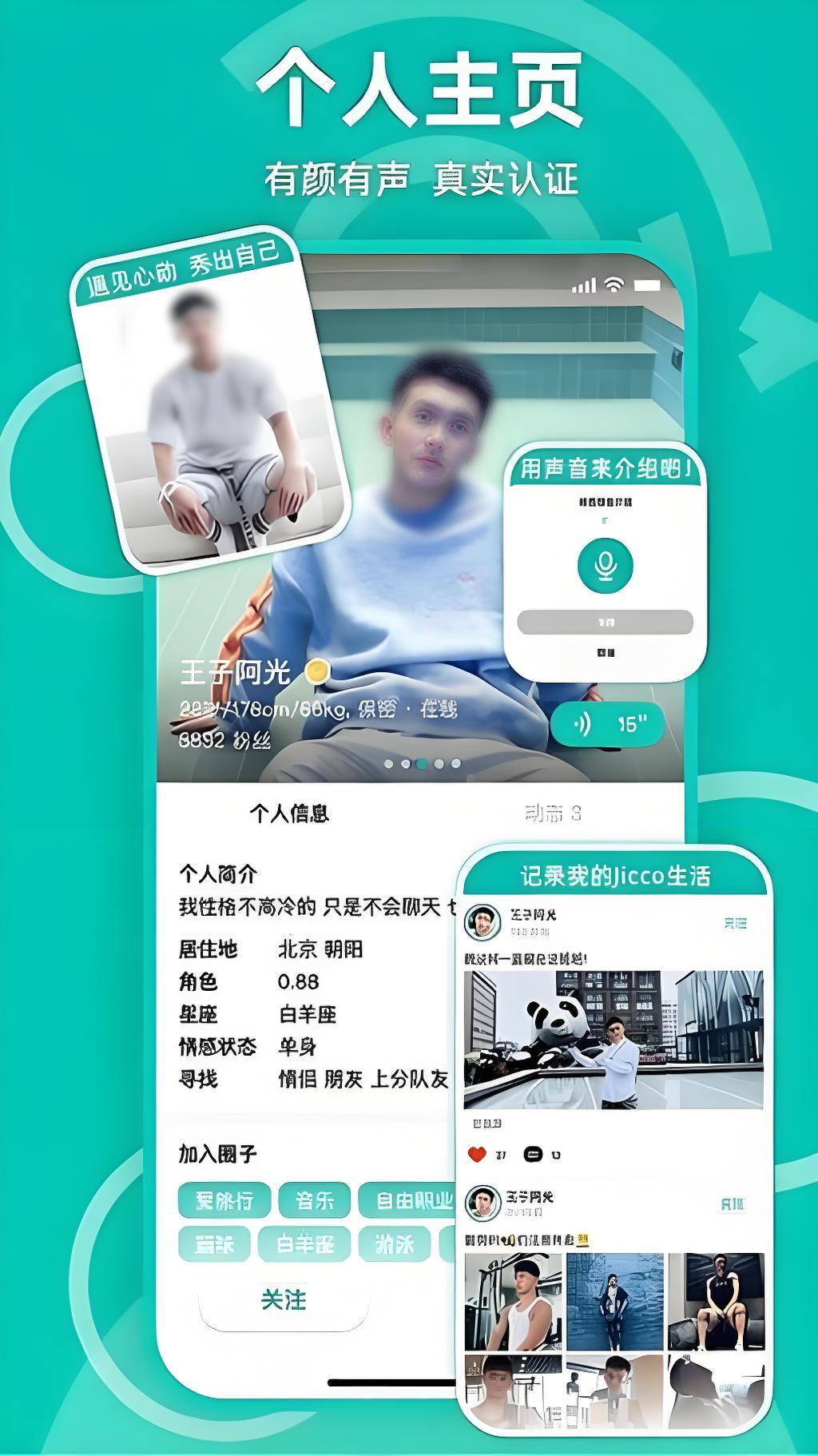
Concurrently, while the two industry giants have restricted profile details, alternative long-standing gay social applications, including "Jicco," continue to display user signatures and role attributes without restrictions. Jicco positions itself as an interest-based community platform utilizing an "interest circles" framework. It encompasses specific sub-sectors such as fitness, white socks, gaming, nightlife, and outdoor activities, allowing users to join dedicated spaces via interest tags, share multimedia updates, and view detailed profiles of nearby individuals. Market analysts suggest that using mutual interests as an anchor provides greater structural longevity than relying solely on rigid role labels. Consequently, Jicco appears to be absorbing a massive influx of users migrating from adjusting platforms, potentially positioning itself as a primary alternative for the younger demographic.
Nevertheless, as mainstream platforms successively conform to tightening regulatory frameworks, users are increasingly questioning how long applications like Jicco can preserve these traditional features. As regulatory compliance cements itself as an unavoidable reality across the digital space, the question of how niche LGBTQ+ social networks will navigate and find sustainable paths forward remains an open dilemma with no immediate answers.
Asian Editorial Department: Lu Junxiu