
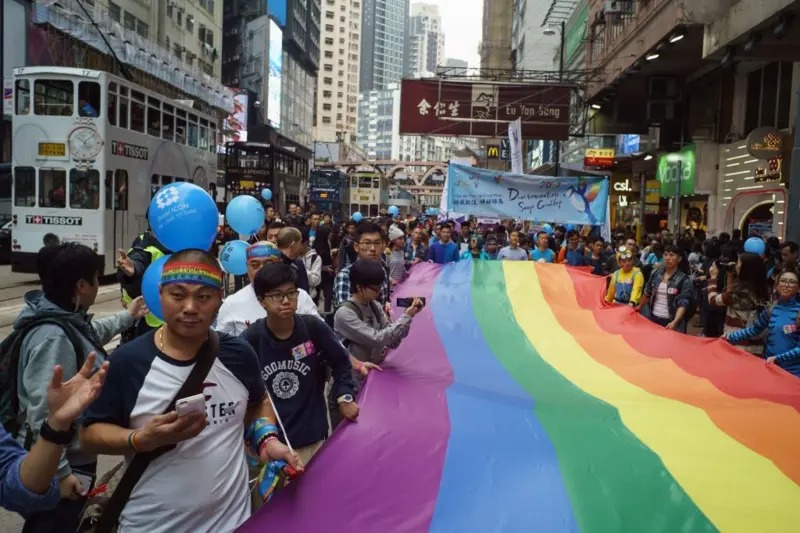
On September 10, the Hong Kong legislature voted on the closely watched "Same-Sex Partnership Relationship Registration Framework Bill." The bill was ultimately rejected by a large margin, with 71 votes against, 14 in favor, and 1 abstention. This vote marks a significant setback for efforts to provide legal recognition for same-sex partners.
The bill was introduced by the Hong Kong government in response to a 2023 ruling by the Court of Final Appeal. That judgment mandated the government to establish an "alternative framework" to legally recognize same-sex relationships within two years.
According to the bill's details announced in July, the registration system would have allowed couples already in a registered marriage or same-sex partnership from overseas to register in Hong Kong. Upon registration, they would have been granted specific rights, primarily focused on medical decision-making, hospital visitation, and handling a partner's affairs after death.
However, the proposal has drawn strong, polarized reactions from Hong Kong society since its introduction. Of the 10,775 public submissions received during the legislative review, the government stated that 8,694 (80.7%) were in opposition, while 2,081 (19.3%) were in support.
Opposition centered on concerns over traditional family values. Government documents indicated that the vast majority of opponents worried the move would impact the traditional "one man, one woman" marriage system, family values, and ethical relationships. About half of opponents viewed the bill as "disguised recognition of same-sex marriage," while about 37% felt there was a lack of broad public consensus. On the eve of the vote, 49 religious groups held a joint press conference to publicly voice their opposition, urging lawmakers to reject the bill.
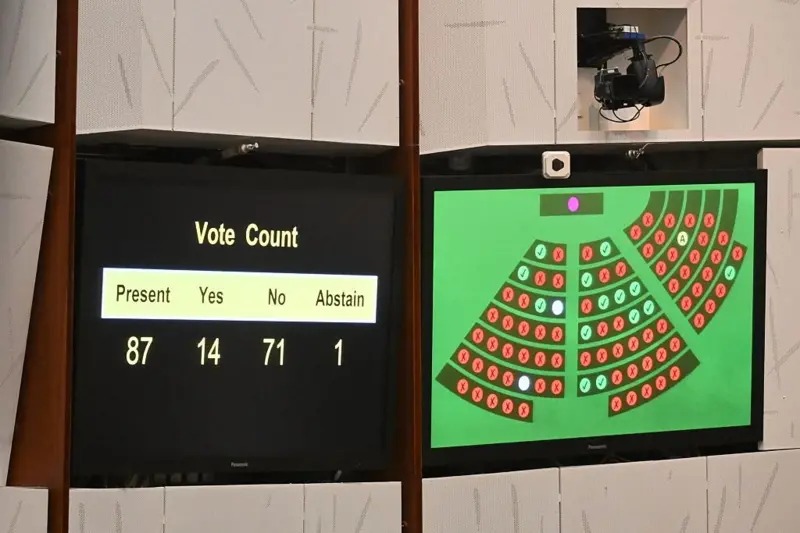
The bill was rejected by 71 legislators.
Conversely, submissions in favor of the bill generally argued that the government should respect the court's judgment and the spirit of the rule of law. About 80% of supporters noted the need for legal protections for same-sex couples, and over 60% believed the move would show Hong Kong as a diverse and inclusive society. At the same time, equality organizations and some supporters criticized the bill's protections as "not comprehensive," citing, for example, the requirement for prior overseas registration and the exclusion of other rights, such as prison visitation.
Following the bill's rejection, a government official expressed disappointment but respected the legislature's decision. The Secretary for Constitutional and Mainland Affairs stated that the bill's failure reflects deep divisions or a lack of consensus in society on the issue, acknowledging its complexity and sensitivity. The government will need further time to study its next steps.
Legal commentators have analyzed that because the court's ruling was "declaratory" rather than a mandatory order, the legislature's rejection of the bill does not carry direct legal consequences, such as "contempt of court". However, the judgment's legal standing remains. Analysts believe that in future legal cases involving the rights of the LGBTQ+ community, the government or public bodies will face greater challenges in defending discriminatory systems.
Several equality organizations expressed disappointment and concern over the outcome. One organization stated the rejection raises worries about the practice of the rule of law in Hong Kong, and expressed hope that the government and legislature would more broadly collect opinions from the LGBTQ+ community to revise and pass the bill with a pragmatic attitude to meet society's actual needs.
Asian Editorial Department: Lu Junxiu