
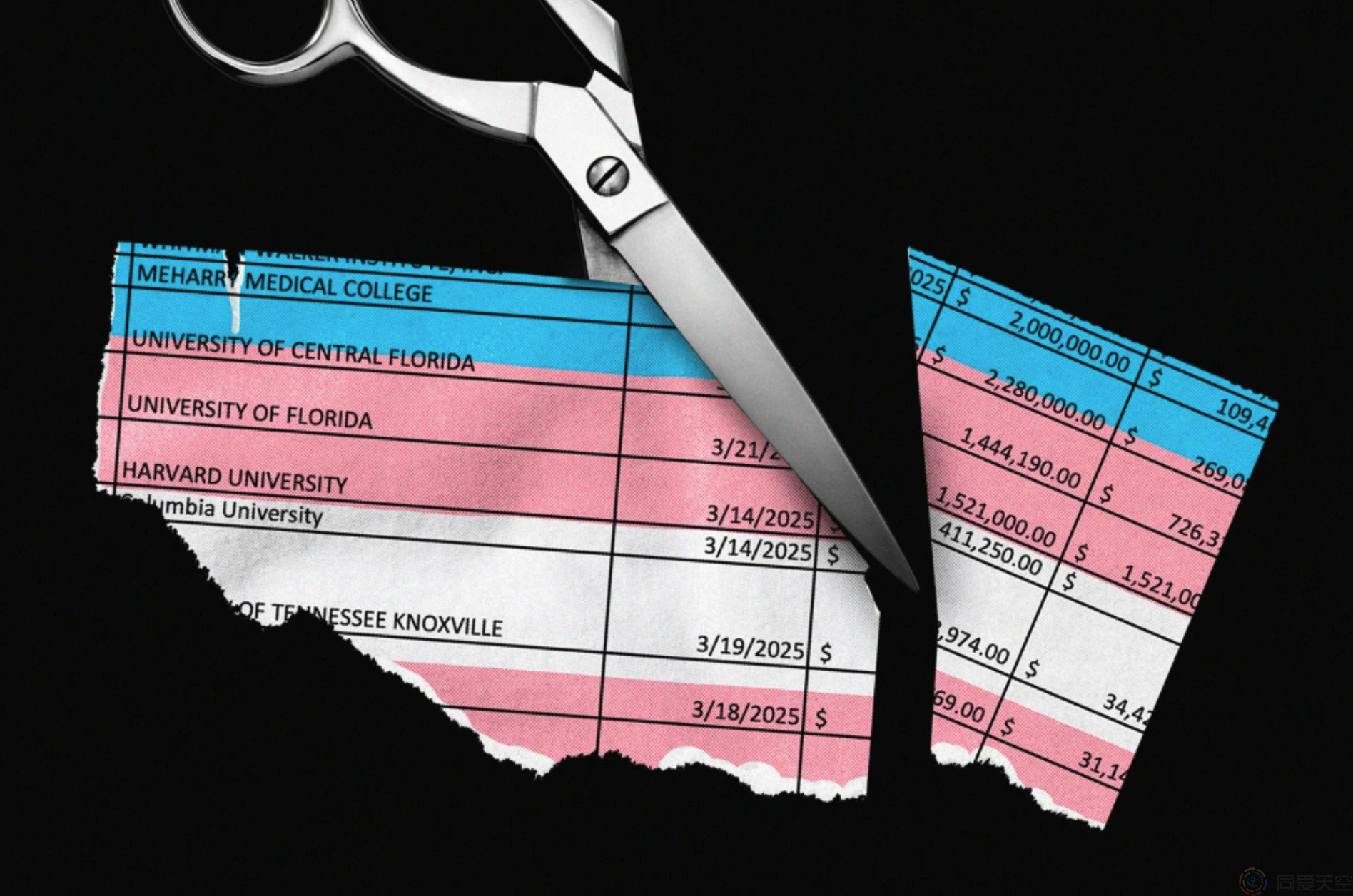
The National Institutes of Health has canceled more than 270 grants focused on LGBTQ health in recent weeks.
The U.S. National Institutes of Health (NIH) has canceled over 270 grants totaling at least $125 million in unspent funds for LGBTQ health research, delivering a systemic blow to the field. Affected projects include HIV prevention, mental health of sexual minorities, and chronic disease interventions, with researchers warning the true impact may be far greater as the academic support system collapses.
NIH termination letters cite misalignment with "institutional priorities," alluding to policies restricting "diversity, equity, and inclusion (DEI) initiatives" and "gender ideology research." Brian Mustanski, director of Northwestern’s Institute for Sexual and Gender Minority Health, reported losing major grants for long-running studies on HIV drivers in young gay men and AIDS prevention programs, leaving half of his 120-person team unemployed.
CDC officials revealed programs monitoring HIV in gay men and labs studying antibiotic resistance in sexually transmitted infections—prevalent in gay communities—were shuttered. NIH Director Dr. Jay Bhattacharya stated the agency would shift from "politicized DEI and gender ideology studies" but provided no scientific criteria for cancellations.
Harvard’s Julia Marcus criticized the lack of transparency, noting, "Science requires precision, yet ‘DEI’ remains undefined." Thirty journal editors emphasized the critical role of LGBTQ health research in identifying population needs, calling funding cuts an assault on academic freedom.
A Williams Institute report warned that federal surveys may eliminate questions on gender identity and sexual orientation, erasing data for 14 million LGBTQ Americans. The American Public Health Association has sued over the cancellations, alleging non-expert interference and demanding restored support for research vital to addressing health disparities in HIV, mental health, and chronic diseases.
Editor: Robin