
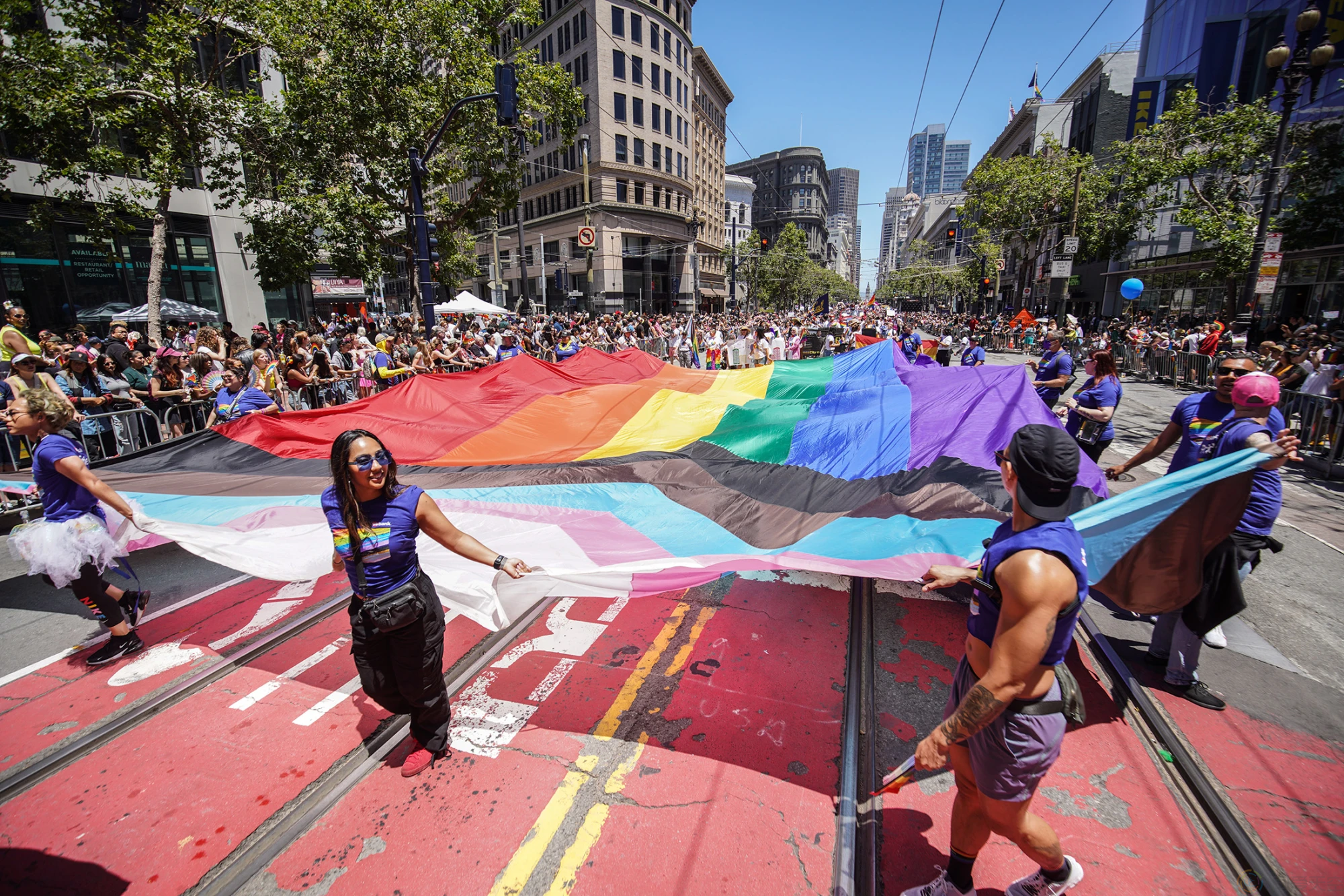
Participants hold a large Progress Pride flag at the 2024 San Francisco Pride Parade
In recent years, the fight for the rights of the LGBTQ community and the enhancement of their social recognition have drawn significant attention. Among them, Pride celebrations, as important events for this community, hold great significance. However, currently, many organizers of LGBTQ Pride celebrations are facing a severe challenge - a significant reduction in corporate sponsorships.
Large-scale LGBTQ Pride celebrations in various parts of the United States have been hit hard in terms of corporate sponsorships. For example, Pride St. Louis ended its over 30-year partnership with Anheuser-Busch, as the brewing company declined to sponsor the organization's annual PrideFest. This change has left Pride St. Louis with a funding shortfall of over $150,000 compared to last year's budget. Although most of the deficit was later covered by individual donations, the loss of this long-term partner is still a heavy blow to the organizers.
Suzanne Ford, the executive director of San Francisco Pride, revealed that several companies, including Anheuser-Busch, Comcast, Diageo, and Nissan, withdrew their sponsorships for this year's San Francisco Pride march. The total value of these sponsorships was approximately $300,000. This year, the total budget for San Francisco Pride is $3.2 million, and the organizers had hoped to raise $2.3 million through corporate sponsorships. So far, corporate sponsors have committed $1.25 million, and the organization is still waiting for responses from some previous sponsors.
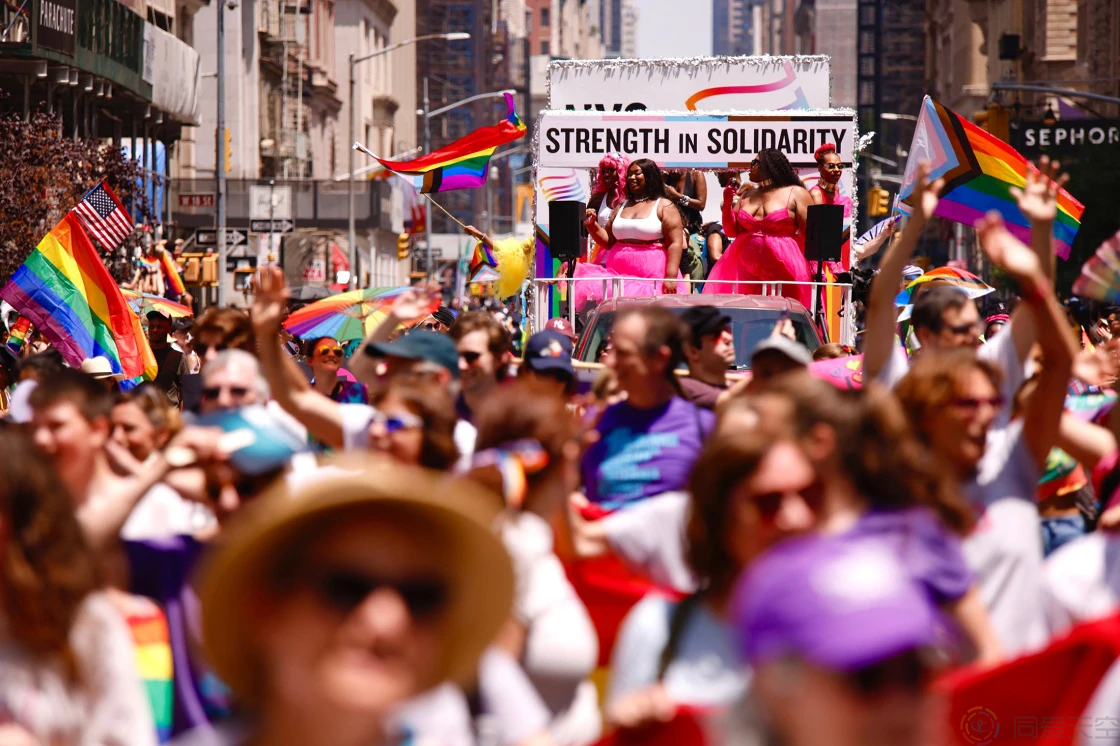
People participate in the 2023 New York City Pride march.
Kevin Kilbride, the media marketing manager of NYC Pride, said that the budget for the organization's annual Pride events usually ranges from $3 million to $6 million. Last year's budget was $4.6 million, and this year's is expected to be about $3.5 million. As of now, about one-third of the partners have either withdrawn, scaled back, or not finalized their sponsorship amounts, and the sponsorship funding is expected to decrease by $350,000.
Ryan Bos, the executive director of Capital Pride Alliance in Washington, D.C., said that the organization had been in talks with Target, which sponsored WorldPride in New York City in 2019 and had sponsored D.C.'s Capital Pride march in the past. However, Target ultimately decided not to participate this time. Nevertheless, other sponsors, such as Wegmans Food Markets, have recommitted and increased their support for the celebrations.
The reasons for the reduction in corporate sponsorships are complex. Some companies cite concerns about the economic situation as a major factor. In an unstable economic environment, companies have to cut sponsorship expenses to ensure financial security. For example, a spokesperson for Nissan said the company is comprehensively reviewing all marketing and sales spending to improve efficiency and effectiveness. At the same time, some companies are worried about negative public opinion when supporting the LGBTQ community, which may affect their business interests. Previously, Anheuser-Busch and Target faced strong resistance from conservatives due to their initiatives in support of the LGBTQ community.
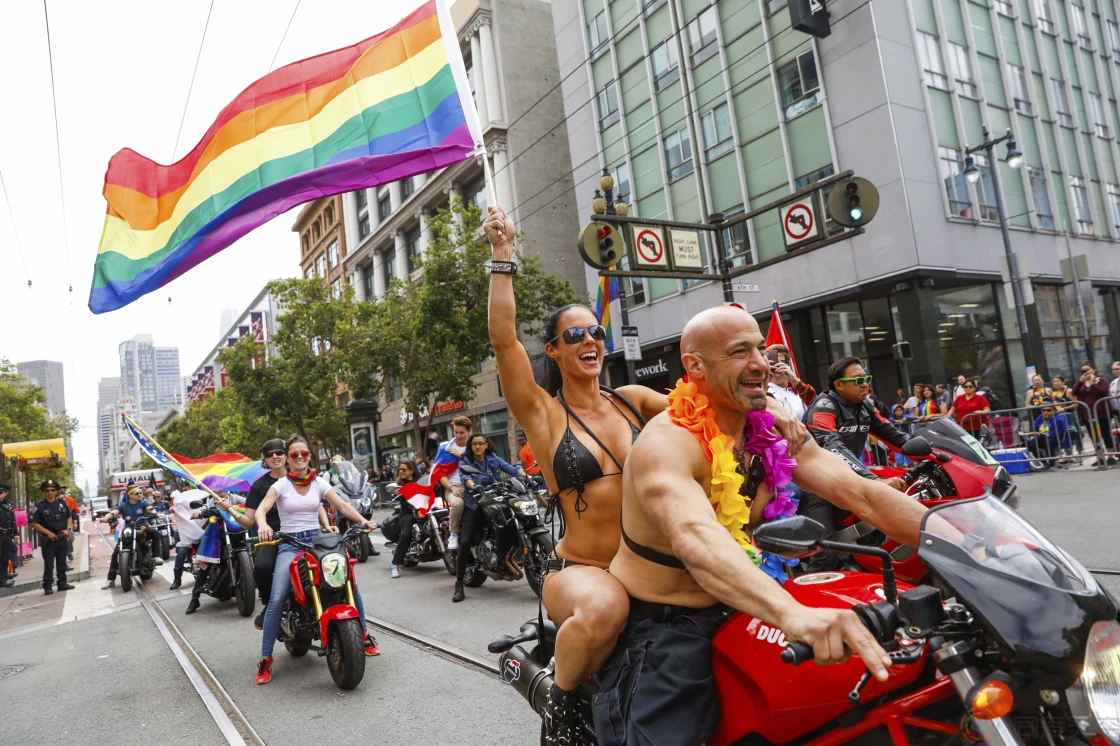
Dykes on Bikes kicks off the annual San Francisco Pride march in 2019.
In the face of reduced sponsorships, Pride celebration organizers are actively taking countermeasures. Some organizers have strengthened efforts to raise individual donations. After losing Anheuser-Busch's sponsorship, Pride St. Louis filled most of the funding gap through a large number of individual donations. Others have adjusted their event content. NYC Pride canceled three dance parties due to reduced sponsorships and a lower budget. The Twin Cities Pride in Minneapolis originally planned to have four performance stages but reduced it to three this year.
In addition, some organizers are more cautious in choosing sponsors. Philadelphia Pride decided not to cooperate with corporations in 2022 in response to the community's discussion about "rainbow capitalism." The Twin Cities Pride announced this year that it would no longer accept sponsorship from Target due to the company's reduction of diversity, equity, and inclusion (DEI) initiatives. Instead, it launched a fundraising campaign and raised twice the amount that Target had originally planned to sponsor.
Despite the many difficulties, Pride celebration organizers remain firm in their beliefs. Eve Keller, the co-president of USA Prides, said that Pride celebrations will not disappear due to reduced sponsorships. In her view, the LGBTQ community has an increasing need for Pride celebrations as they are important places for the community to find safe spaces, build communities, and express their true selves. In the future, LGBTQ Pride celebrations will continue to explore new development paths amidst continuous challenges and changes, and will continue to play their unique social role.
Editor: Robin