
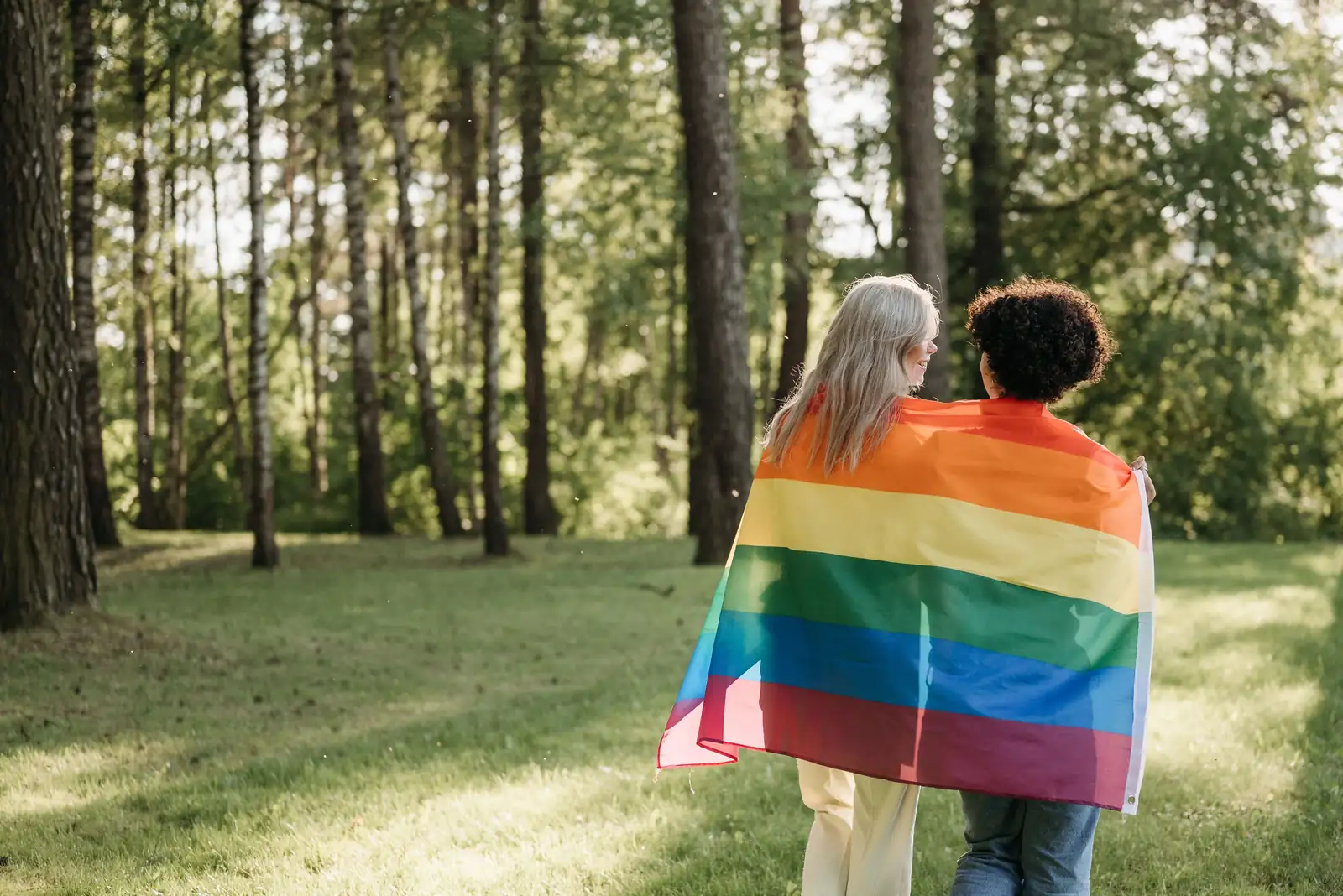
This image is for illustrative purposes only and is not directly related to this story. Image source: Pavel Danilyuk
On November 3, 2026, the US Supreme Court will hear a high-profile case, St. Mary Catholic Parish v. Roy, that directly challenges the boundaries between the separation of church and state and anti-discrimination laws. The case was brought by the Denver Archdiocese, two parishes and parent plaintiffs against Lisa Roy, executive director of the Colorado Department of Early Childhood. The core controversy of the case is whether religious schools participating in Colorado's taxpayer-funded universal pre-K program have the right to refuse admission to children of gay or transgender parents on religious grounds, in violation of state law barring discrimination based on sexual orientation or gender identity.
Colorado's universal pre-K program, funded by a tobacco tax, aims to provide preschool access for all 4-year-olds in the state, offering a $6,300 benefit for each enrolled child. To accomplish this, the state created a broad plan that includes religious schools, provided they abide by state anti-discrimination laws. Former state Senator Steve Fenberg noted, "The caveat is that you can't discriminate, and you need to allow all students to participate." Indeed, the Catholic Church initially endorsed the program; Catholic Charities still participates, along with at least 35 Christian schools, one Muslim school and three Jewish schools.
However, the Denver Archdiocese and two parishes subsequently challenged the law in court. Represented by the Becket Fund for Religious Liberty and its CEO, Mark Rienzi, the archdiocese maintains that the state law discriminates against Catholic schools. Rienzi argued that while not all students must be Catholic, they must agree to support and not publicly contradict Catholic teachings. Therefore, the church is seeking an exemption from the anti-discrimination law to legally refuse entrance to 4-year-olds whose parents or other family members are gay or trans.
This stance is not universally shared among Catholic educators. Tim Uhl, of Notre Dame High School in San Jose, California, and a group of Catholic school directors filed a brief siding with Colorado. Uhl pointed out that admitting non-Catholic students is not disruptive, noting that "diversity of opinion and diversity of thought is part of an educational experience." Conversely, Archbishop James R. Golka of the Denver Archdiocese wrote that due to the state's rules, Catholic school enrollment dropped by 20%, forcing two preschools to close. Golka characterized Colorado's policy as an "attack on Catholic education" that threatens broader culture.
This case extends far beyond Colorado's pre-K program, touching upon the deep conflict within the First Amendment between the "separation of church and state" and the "free exercise of religion." Ten years ago, the Supreme Court's conservative majority initiated a dramatic doctrinal shift, focusing heavily on protecting religious freedom rather than church-state separation. Michigan State University law professor Frank Ravitch stated, "It's literally the opposite of what the law was not that long ago. It is just a complete shift." Now, before a conservative supermajority (including three justices appointed by Trump), this case could redefine the extent to which the government must use taxpayer money to fund religious schools, potentially having a revolutionary impact on charter schools and the application of anti-discrimination laws nationwide.
North American Editorial Office: Liam Smith
Sources: NPR, ABA Journal, Becket Fund
References: