
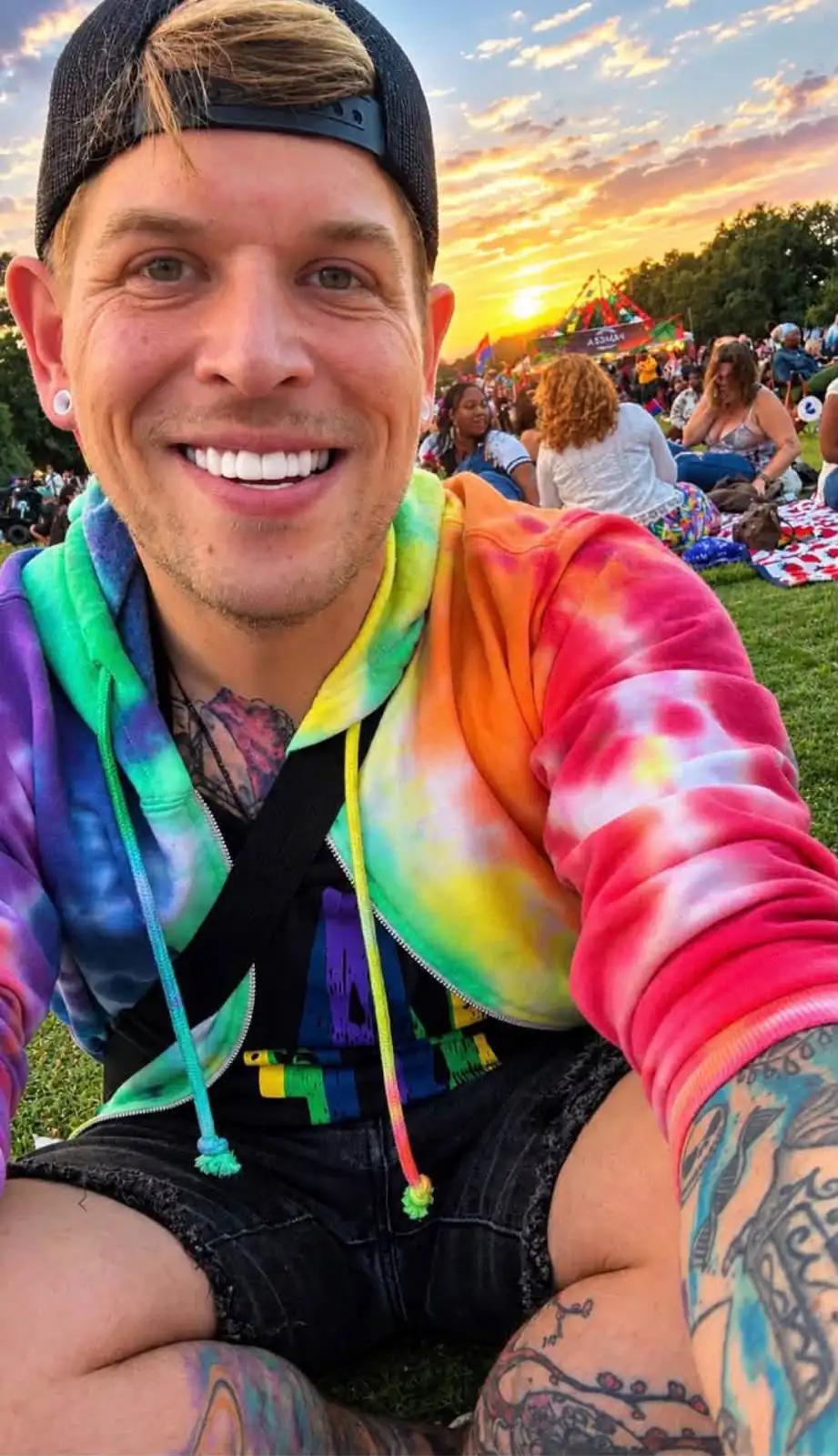
Image source: Brendon Phillips
In late October 2026, during the annual Savannah Pride festival celebrated in the historic coastal city of Savannah, Georgia, an emotionally evocative personal testimonial documenting the lived experience of queer youth resonated widely across social media networks. Attendee Brendon Phillips shared a heartfelt reflection recounting a pivotal encounter at the festival, where he observed a young boy attending his first Pride event moved to tears of joy and relief, offering a poignant testament to why public pride gatherings serve as critical sanctuaries of belonging for vulnerable youth across the American South.
According to Phillips's widely shared post, the encounter stood out as the defining moment of the weekend's celebrations. Amid the vibrant crowds and live performances, he watched a young attendee whose emotional reaction made it unmistakably clear that he was experiencing a pride gathering for the very first time. As the youth watched the stage, tears welled in his eyes even as a luminous, uninhibited joy spread across his face, visibly overwhelmed by the sudden immersion into an atmosphere of unconditional affirmation and communal freedom. Phillips observed that while pride functions for many as an exuberant cultural festival, for isolated adolescents it frequently represents the first physical space where they realize they are not alone, allowing them to exist openly without apprehension.
Reflecting upon the experience, Phillips expressed hope that the young attendee would carry the transformative emotional validation throughout his life, knowing he inherently deserves to be loved, celebrated, and accepted exactly as he is. He emphasized that simply showing up, maintaining proud visibility, and cultivating physically and psychologically safe community spaces possess the quiet power to alter, and at times save, young lives. Anchoring his reflection in the affirmation that love is love and that marginalized individuals never owe the world an apology for authentic self-expression, the message struck a deeply empathetic chord among thousands of readers across the nation.
From a broader sociological and civil rights perspective, the viral resonance of the Savannah vignette highlights the indispensable function of regional pride celebrations in the contemporary American South. Amid growing legislative friction and polarized political rhetoric surrounding sexual and gender minority youth across several states, localized community festivals remain essential bulwarks safeguarding mental health and fostering intergenerational solidarity. By providing young people with tangible proof of community acceptance, these grassroots gatherings reaffirm the founding premise of the pride movement: that radical empathy, human dignity, and collective visibility remain vital forces for societal healing.
North American Editorial Office: Liam Smith