
This image is for illustrative purposes only and is not directly related to this story. Image source: FransA (Pexels)
On Saturday, October 24, 2026, Brisbane Pride announced that while adverse weather forced the postponement of its flagship Fair Day and the annual Rally & March at New Farm Park until November 7, expansive LGBTQIA+ community celebrations proceeded across indoor venues and waterways throughout the Queensland capital. James McCarthy, president of Brisbane Pride, affirmed that while physical park events had to be rescheduled, the communal spirit of pride remained vibrant and undeterred by the rain.
Serving as the central social hub for the day's festivities, The Wickham Hotel in Fortitude Valley hosted a free-admission Pride Party. Drag performers Vybe and Coco Jumbo, originally slated to headline the outdoor fair stage, pivoted indoors to lead the entertainment lineup alongside local favorites Sarah Problem, Tall Jan, and Vogue MegaQueen. Beginning at 3:00 PM with sets by resident and visiting DJs, the celebration transitioned into evening live drag showcases and a community Best Dressed Pageant, providing an accessible, weather-sheltered space for local queer patrons and allies.
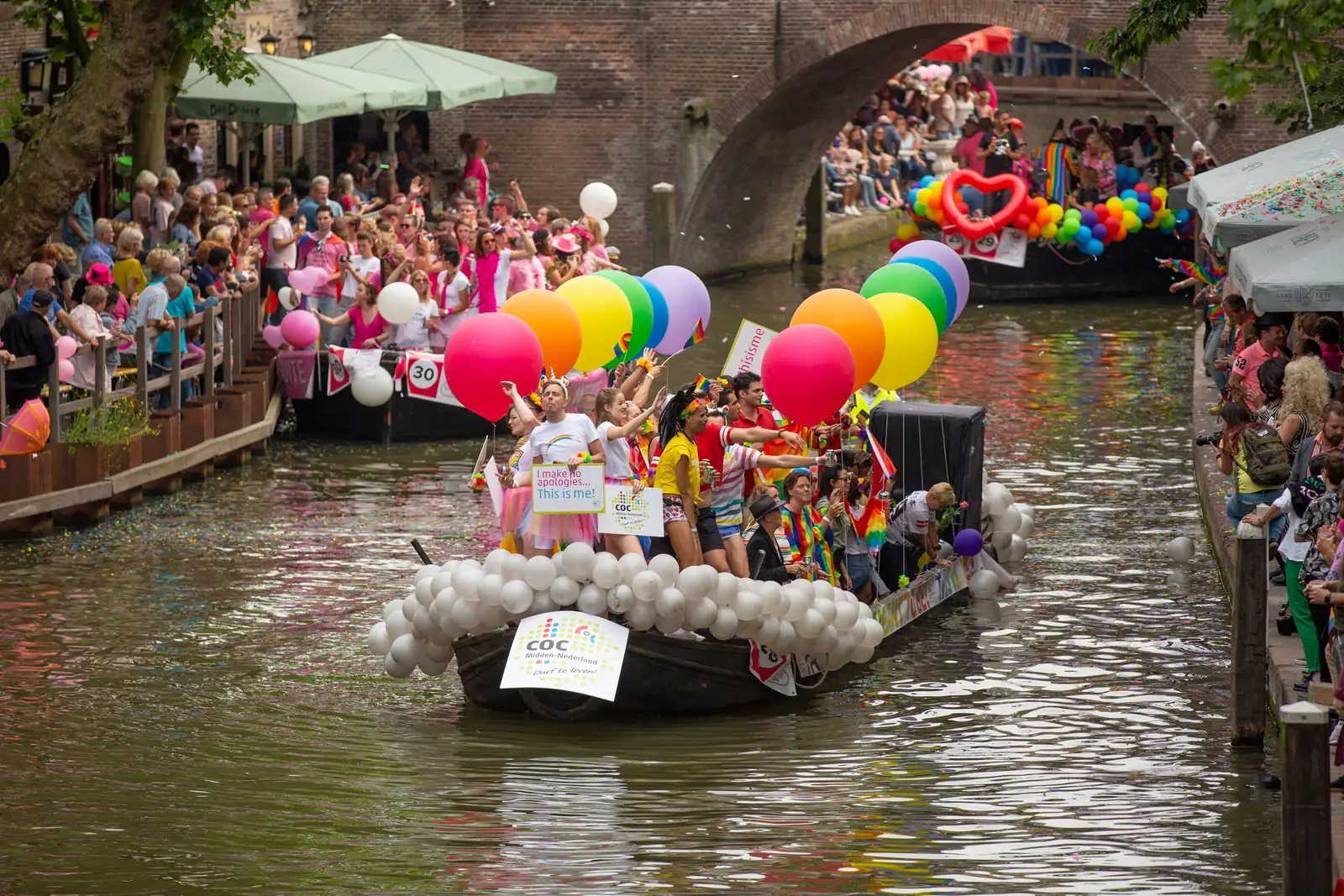
Simultaneously, major cultural programming under the Melt Festival progressed across the urban waterfront. The River Pride Parade set sail along the Brisbane River (Maiwar) at 4:00 PM, navigating a flotilla of decorated watercraft toward the Brisbane Powerhouse as spectators viewed the display from key riverbank promenades including South Bank and Howard Smith Wharves. At the Brisbane Powerhouse, the interactive community artwork "Onesie World," created by Adele Varcoe with designs by First Nations artist Dylan Mooney, relocated undercover to distribute 1,000 wearable garments, transitioning into the all-ages Melt Opening Party to extend festivities into the evening.
From an organizational and cultural perspective, the seamless transition of Brisbane Pride's scheduled festivities highlights the logistical agility and solidarity underpinning modern grassroots queer networks. By rapidly mobilizing hospitality venues, cultural institutions, and maritime permits to counteract inclement weather, organizers ensured that community visibility and artistic expression were preserved without interruption. The decentralized day of celebration underscores how shared resilience and creative cooperation sustain social visibility beyond the confines of traditional civic festival layouts.
Oceanic Editorial Office: Oliver Taylor