
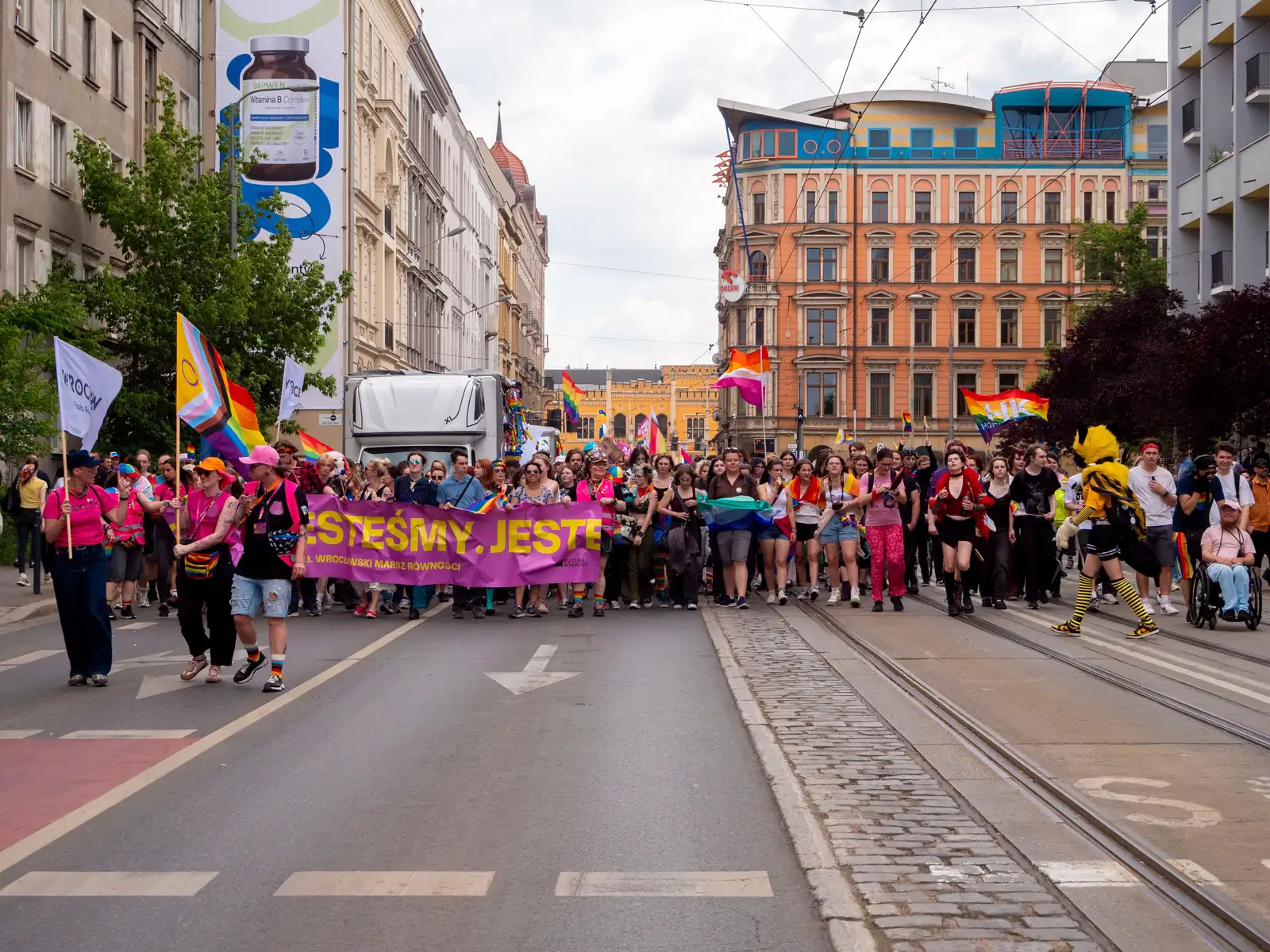
This image is for illustrative purposes only and is not directly related to this story. Image source: SHOX ART (Pexels)
On May 14, 2026, municipal officials in Warsaw announced that they had formally recognized a same-sex marriage contracted in another European Union member state, marking the first time such an official civil transcription has occurred in Poland's history. Warsaw Mayor Rafał Trzaskowski confirmed to the media that municipal registry authorities executed the transcription procedure earlier that morning, signaling a milestone development in domestic alignment with European judicial standards.
The administrative action implemented a binding judgment delivered in March 2026 by Poland's Supreme Administrative Court, which ruled that same-sex marriages validly entered into across the European Union must be recognized domestically. The court's ruling incorporated precedent established by the Court of Justice of the European Union in 2025 following a lawsuit brought by Jakub Cupriak-Trojan and Mateusz Trojan. The couple, who married in Berlin in 2018 but faced persistent administrative rejections in Poland, confirmed that they have officially received their Polish marriage certificate and expressed hope that pending transcriptions for other couples will proceed without undue bureaucratic delay.
The breakthrough was welcomed by pro-LGBTQ+ advocacy groups, with publication Replika describing the registration as a historic and absolutely pivotal moment. Polish domestic legislation continues to define marriage exclusively as a union between a man and a woman, leaving Poland among the few remaining European countries alongside Bulgaria, Romania, and Slovakia without legalized same-sex marriage or registered civil partnerships. Prime Minister Donald Tusk observed that the recognition of same-sex couples constitutes an essential matter of human dignity and human rights, giving impetus to the municipal implementation despite internal ideological divergences within his governing parliamentary coalition.
From an institutional perspective, the decision is seen as an important legal reconciliation between European freedom of movement guarantees and member state statutory reservations. For years, Polish civil authorities had withheld recognition from married same-sex couples, creating substantial legal vulnerabilities in inheritance, taxation, and parental custody. By adhering to European court standards and establishing an operational pathway for civil registry transcriptions, Warsaw's action not only secures practical protections for binational couples but also places significant judicial pressure on national lawmakers to advance statutory civil union reforms.
European Editorial Office: Lucas Bakke
Source: Compiled from Le Monde reporting
References
Supreme Administrative Court of Poland (Naczelny Sąd Administracyjny)