
Privacy Violation and Collective Legal Action
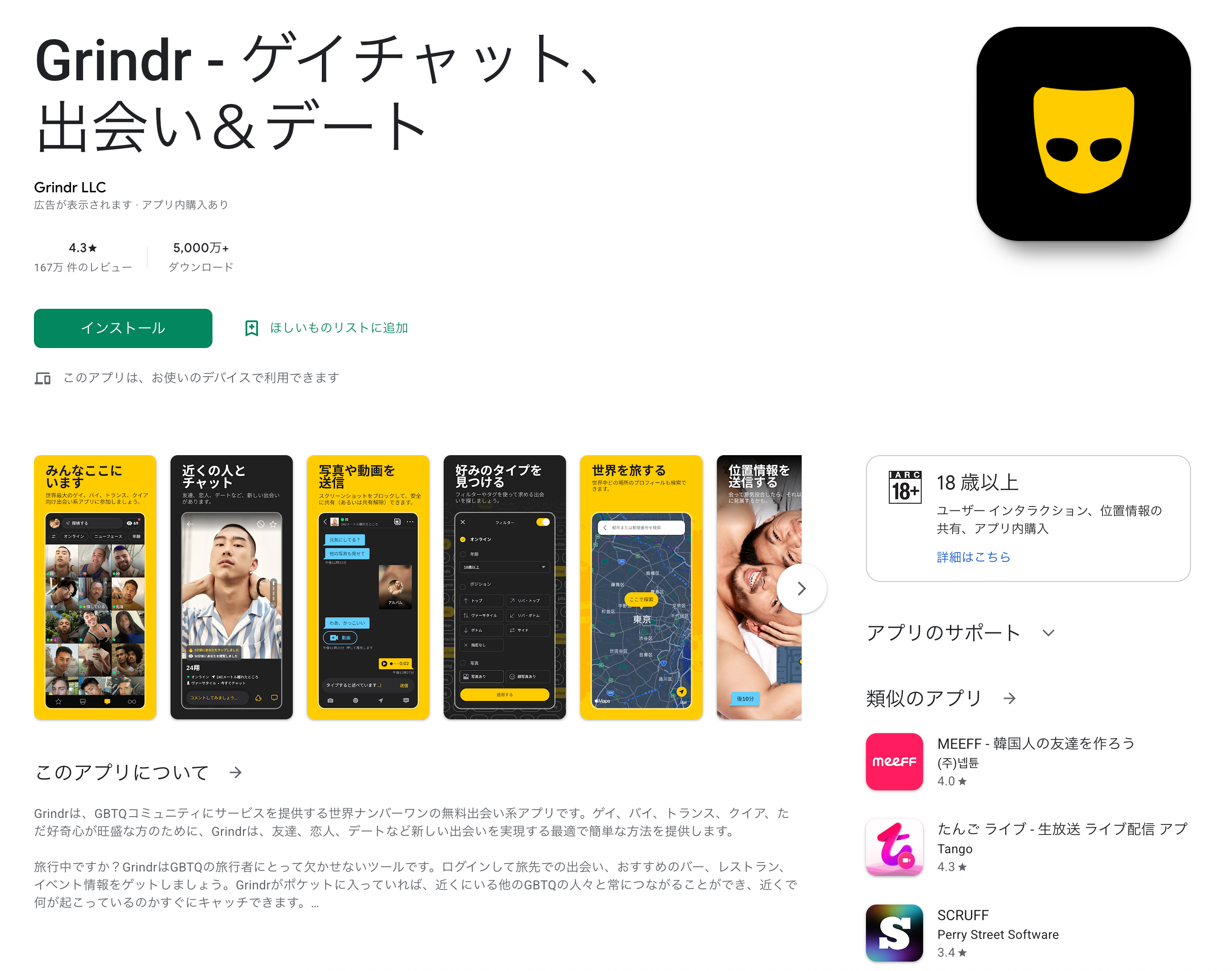
Grindr operates as one of the world's largest gay dating applications, serving millions of users globally. The platform gained prominence through geolocation functionality and detailed user profile capabilities, permitting users to record sensitive information including HIV testing status within their profiles. However, the company's approach to managing this highly sensitive data generated substantial international concern and scrutiny.
In April 2024, UK-based lawyer Austen Hays initiated collective action litigation on behalf of 12,000 Grindr users at England and Wales High Court. The lawsuit alleged that Grindr violated UK and EU privacy regulations during the pre-2020 period, unlawfully sharing user personal information with third-party advertising companies. This sharing encompassed HIV status data, creating serious privacy violation risks and exposing users to potential stigmatization and discrimination. The alleged conduct demonstrated systematic mishandling of information that users reasonably believed would remain confidential.
Historical Violations and International Enforcement
Grindr's data-sharing problems preceded the UK litigation. In April 2018, following revelations by Norwegian researchers, the company acknowledged data sharing with two external firms and publicly announced cessation of HIV status disclosure to third parties. However, this commitment arrived following substantial unauthorised data distribution.
In 2021, Norway's data protection authority imposed a fine of 65 million Norwegian krone (approximately £4.8 million) for violations of data protection statutes. Norway's appellate court affirmed this decision in October 2025, maintaining the substantial penalty. The court concluded that Grindr's assertion that it does "'not sell your personal user information to third parties for advertising purposes' is clearly misleading." This international enforcement action underscored widespread regulatory concern regarding Grindr's systematic privacy violations.
Settlement Agreement and Compensation Distribution
Following two years of legal proceedings, Grindr ultimately consented to pay £26 million settlement, concluding the UK litigation. Under settlement terms, payment occurred through two tranches: £13 million required by year-end 2024, with additional £13 million due by March 2025 conclusion.
Distributed equally amongst 12,000 collective action participants, settlement compensation averaged £2,167 per user. Whilst this compensation could not fully restore privacy losses inflicted through data breach, it provided affected users with meaningful financial recourse and institutional accountability.
Corporate Response and Privacy Reform Claims
Within settlement documentation, Grindr maintained absolute denial of wrongdoing, asserting the agreement "includes no findings or admission of liability." The company characterised litigation as addressing "historical data practices before 2020," positioning alleged violations as temporally obsolete matters.
Nevertheless, Grindr acknowledged "distress and loss of trust expressed by some of its UK users regarding that pre-2020 period." The company asserted comprehensive privacy programme overhaul since 2020, maintaining the application "is and remains a safe space for users, committed to transparency, user control and responsible data practices."
This statement reflected Grindr's reputational pressure response but revealed continued refusal to accept explicit responsibility. The company's denial stance regarding historical violations suggested incomplete moral and legal accountability for systematic privacy breaches affecting vulnerable populations.
European Editorial Office: Lucas BakkerJohn