
Event Origins and Concealed Relationship
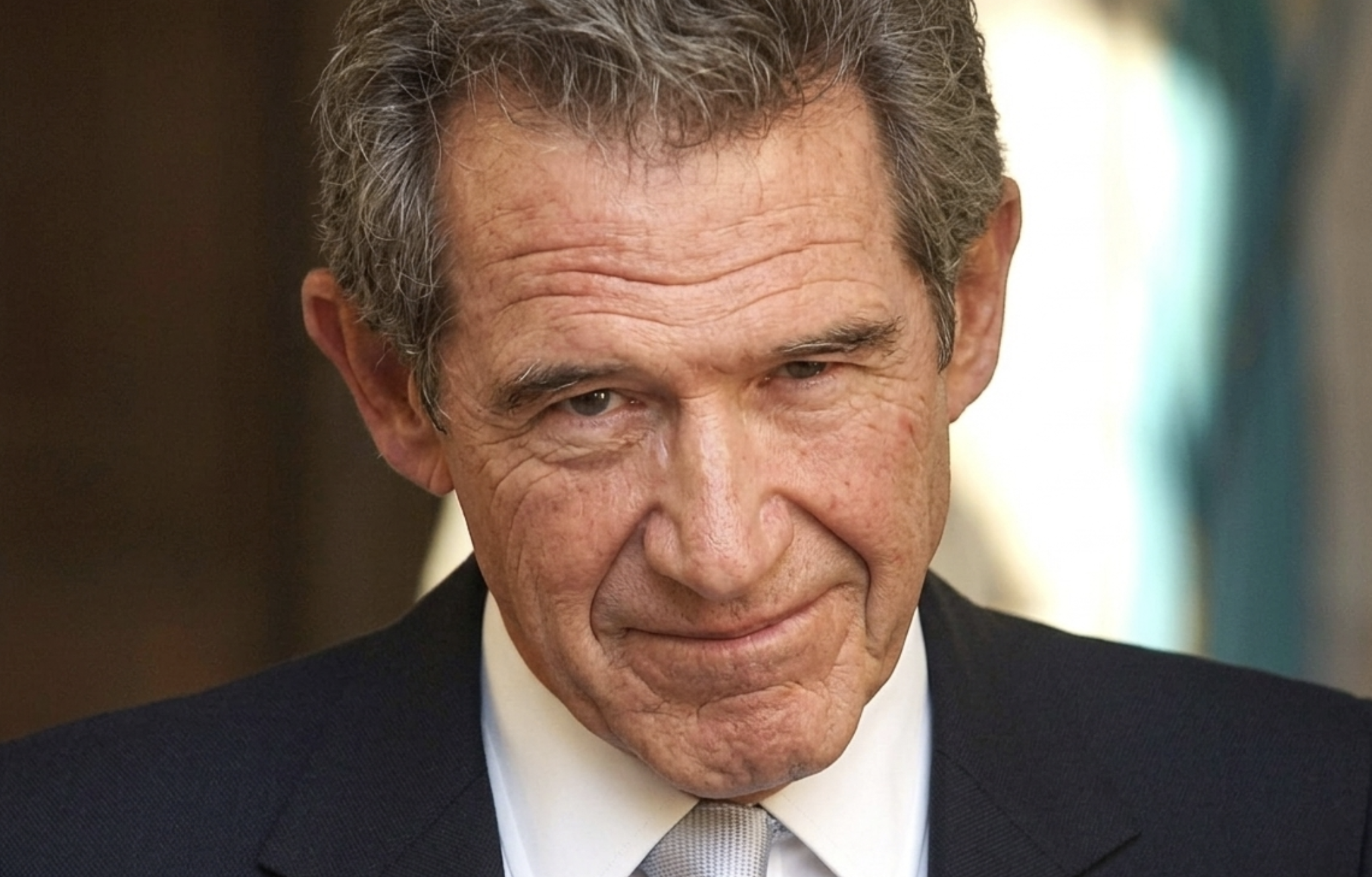
John Browne served as Chief Executive Officer of British Petroleum, commanding prominent standing in European business circles under the epithet "Sun King." Born in 1948, Browne studied physics at Cambridge University and obtained an MBA from Stanford Business School, joining BP at eighteen years of age in 1966. Through decades of leadership, he transformed BP from a domestically-focused mid-sized energy enterprise into the world's second-largest petroleum corporation. Accompanying professional achievement came accumulated honours: 1998 peerage elevation to life peer status granted him entry into the House of Lords. As one of Britain's most influential businesspeople, Browne maintained close associations with prominent political figures.
According to original plans, Browne would retire gracefully in July 2007 at age fifty-nine, receiving substantial pension benefits, long-term performance shares, and significant dividend payments. However, a concealed personal relationship and court testimony falsehood fundamentally altered this trajectory.
The relationship involved Jeff Chevallier, a twenty-seven-year-old Canadian national. The couple maintained their partnership for approximately four years. Court documentation and Browne's subsequent memoirs indicated they met through a London adult networking website called "Suited & Booted." The relationship remained strictly confidential from its inception. Throughout their association, Browne provided Chevallier substantial material support: accompanying him on international holiday travels, purchasing luxury clothing, financing his attendance at Westminster University to study economics and business (facilitating his student visa extension), and assisting him in establishing a business.
Truth Exposure and Legal Confrontation
Around 2006, the couple separated. Following their division, Chevallier disclosed their relationship details to several British tabloid publications. News rapidly reached Browne, whose immediate response involved suppressing this information through available means.
In early 2007, Browne initiated privacy litigation in domestic court, seeking an injunction preventing the Sunday Mail from publishing relationship details. In his written court statement, Browne made the now-infamous "park jogging" false claim: he asserted that he and Chevallier had met accidentally whilst jogging in Battersea Park, London, describing their encounter as ordinary chance acquaintance between strangers.
Nevertheless, concealment ultimately proved impossible. The newspaper possessed substantial corroborating evidence and documentation, maintaining that publication served legitimate public interest beyond mere privacy invasion, thereby mounting vigorous defence. As evidence was progressively submitted and cross-examined, inconsistencies within Browne's testimony became increasingly apparent. Ultimately, the court dismissed his injunction request, permitting the Sunday Mail to lawfully publish relevant factual material and testimony.
Admission of Falsehood and Consequences
Confronted with inability to maintain concealment, Browne abandoned further resistance. On May 1, 2007, he issued a public statement admitting: "I made an untruthful statement regarding how I first met Jeff. I deeply regret this and have retracted and corrected that statement."
Nearly simultaneously with the statement's release, Browne announced his resignation. His departure occurred more than two months before scheduled retirement, without transitional arrangements, ending his forty-one-year tenure at the company's highest executive position.
This premature resignation carried substantial financial consequence. According to BP's contemporaneous disclosure: Browne forfeited a dividend payment exceeding £3.5 million annually, plus an additional stock performance award approximately valued at £12 million. Combined value totalled £15.5 million sterling, equivalent to approximately £2.4 billion Hong Kong dollars at that period's exchange rates.
Societal Significance and Deeper Reflection
Years later, this narrative remains repeatedly referenced. Beyond the dramatic "high-profile downfall" characterisation, the case offers a meaningful reminder: the higher one ascends in power and status, the more substantial accumulated reputation and wealth becomes, the greater the likelihood of becoming emotionally imprisoned by expectations of maintaining "flawless public image."
This genuine 2007 London incident communicates a fundamental truth: attempting to conceal one's identity through falsehood in order to preserve perceived dignity invariably results in dignity's harshest collapse. For Browne personally, concealing his LGBTQ+ identity exacted enormous cost. Broader contextually, this case reflects the period's societal stigmatisation and pressure upon LGBTQ+ individuals—even powerful corporate leaders faced substantial barriers to openly acknowledging authentic identity.
European Editorial Office: Lucas Bakker